

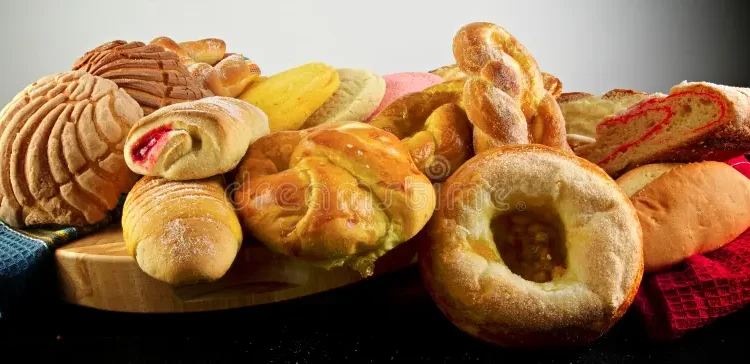

Traditional Mexican bread endures through deliberate preservation practices, as skilled bakers sustain against commercial standardisation pressure. Apprenticeship, recipe documentation, authentic ingredient sourcing, and occasion-specific variety production all contribute to a living craft tradition that popular Mexican sweet bread varieties depend on for continued authentic output. Each practice addresses a distinct vulnerability traditional baking faces across generations, where industrial alternatives compete with neighbourhood panaderías for household consumption.
Apprenticeship keeps craft alive
Apprenticeship is the most reliable way to transfer traditional baking knowledge rather than written documentation. Baking experts working with younger bakers pass along tactile knowledge of dough consistency, fermentation timing, and topping texture without repeated hands-on demonstrations. Observation and correction over months of daily practice allow apprentices to absorb technique. Standardised training programmes compress knowledge transmission into defined curriculum periods without the extended repetition that genuine craft mastery demands. Bakeries maintaining multi-generational family involvement preserve apprenticeship traditions most effectively because knowledge transfer happens naturally within family production structures rather than requiring formal programme development that smaller independent bakeries rarely resource on their own.
Four traditional varieties preserved
Specific varieties require active preservation effort because production complexity makes commercial standardisation economically unattractive, leaving neighbourhood panadería commitment as their primary survival pathway:
- Day of the Dead bread is incorporated with anise, orange zest, and decorative bone-shaped dough formations requiring shaping skill and cultural knowledge that standardised production strips away, with traditional bakers maintaining ceremonial significance alongside technical quality that occasion-specific varieties must carry to retain cultural function
- Rosca de Reyes, Three Kings Day ring bread, incorporates candied fruit, sugar decoration, and hidden figurines within the dough, which family gathering traditions depend on finding, with bakers preserving both production technique and the social ritual context, giving this variety significance beyond ingredients alone
- Conchas shell-patterned sweet rolls require precise fat-to-flour ratios and sugar paste consistency that produces the characteristic crackled topping pattern, with traditional bakers maintaining handmade paste application, which mass production replaces with inferior automated systems producing different textural results
- Polvorones, crumbly shortbread cookies requiring specific lard incorporation techniques and cinnamon ratios that traditional bakers balance through accumulated sensory knowledge rather than precise measurement, with a characteristic crumble texture depending on fat quality and mixing restraint that standardised recipes describe insufficiently without direct technique transmission
Quality ingredients
Authentic bread quality depends on sourcing decisions committed bakers maintain despite the cost and effort, advantages standardised commercial substitutes offer across equivalent production volumes. Piloncillo over refined sugar, lard rather than vegetable shortening, and Mexican cinnamon over cassia equivalents each contribute specific flavour and texture qualities. Traditional variety results depend on non-interchangeable options within flexible recipes. Bakers maintaining relationships with traditional ingredient suppliers preserve access to quality inputs that commercial channels progressively replace with alternatives optimised for shelf stability rather than authentic flavour development. Regional sourcing also preserves geographic variety distinctions that nationally standardised inputs erase. Oaxacan baker relationships with local producers maintain a regional bread character that distant commercial sourcing cannot replicate, regardless of production technique quality.
Traditional Mexican bread endures because bakers treat knowledge transmission, ingredient integrity, and community cultural participation as inseparable components of a preservation commitment that standardised commercial production cannot replicate across the variety depth and cultural significance authentic pan dulce requires.